
Youth Entrepreneurship & Innovation Program

Introduction
Anza Entrepreneurs, in partnership with the Aga Khan Foundation (AKF) under the AKDN Regional Eastern Africa COVID-19 Response, successfully delivered the Youth Entrepreneurship and Innovation Support Program across Dar es Salaam, Mwanza, Lindi, and Mtwara. The program aimed to equip young Tanzanian entrepreneurs with essential skills, networks, and affordable capital to help strengthen their businesses during and beyond the pandemic.
Our Approach
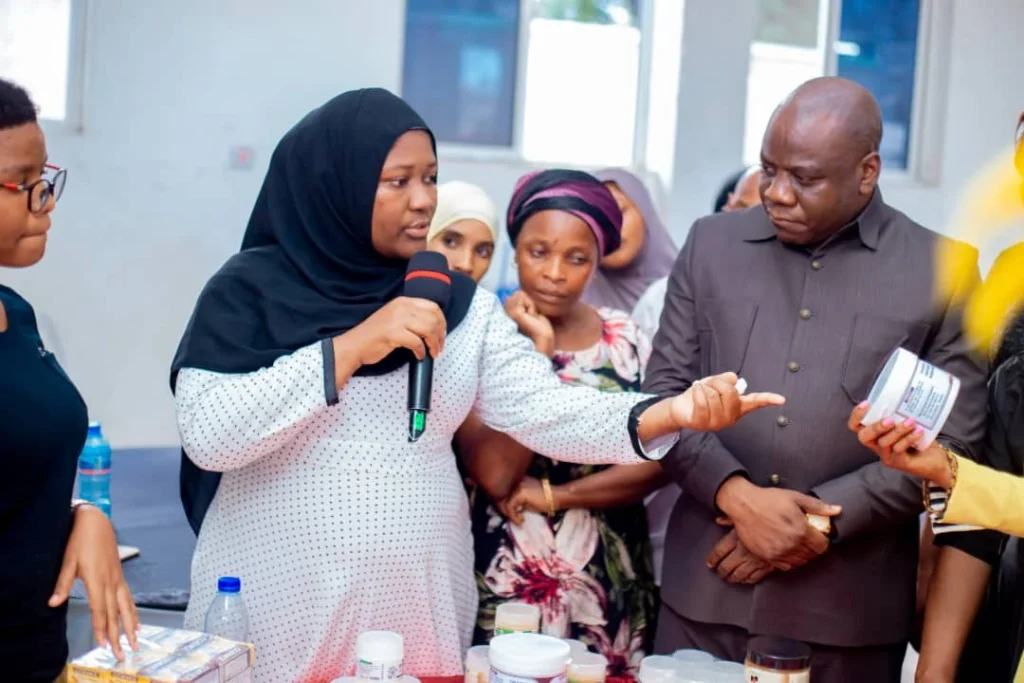
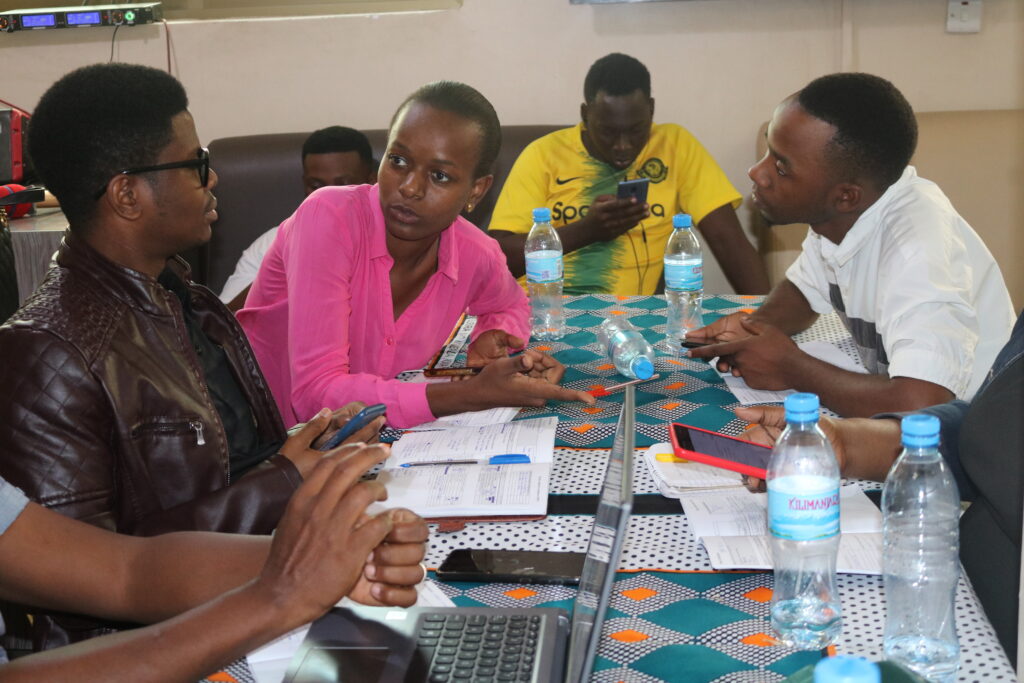
Launched in May 2022, the program followed a structured five-phase model: recruitment, hackathon, bootcamp, accelerator, and capital facilitation. This approach enabled Anza to provide participants not only with business development training but also with mentorship and funding. The program’s comprehensive structure ensured that entrepreneurs received holistic support, from skills development to financial assistance, ensuring their success during the pandemic and beyond.
Our Target
The program was designed to achieve multiple key outcomes. It focused on business growth and sustainability by strengthening the capacity of young entrepreneurs, enabling them to expand their businesses and scale their impact. Additionally, it aimed at youth empowerment by providing young people with the necessary tools, networks, and financial support to build successful enterprises. Job creation was another major goal, helping businesses expand their teams and create more employment opportunities. The program also emphasized community impact, with entrepreneurs delivering life-improving products and services to their local communities.
Our Project in Numbers
1001
Program Applicants
300
Participants
51%
Women Led Businesses
296 Mil
Grants Disbursed
The Youth Entrepreneurship and Innovation Support Program has proven to be a transformative initiative. By providing young Tanzanian entrepreneurs with critical skills, access to funding, and mentorship, the program has driven significant business growth and job creation. The success stories of businesses like Najali Pads, Ezy Soko, Camy Technologies, and Sam Milk highlight the program’s impact, not only on the entrepreneurs but also on their communities. Sustainability is built into the program, with graduates now part of the Anza Alumni Network, ensuring continued support and opportunities. This initiative demonstrates that with the right mix of skills, capital, and networks, youth-led enterprises can drive sustainable development and uplift entire communities.