
Feminist Entrepreneurs Growing Green Economies (FEGGE) in Northern Tanzania

Introduction
The Female Entrepreneurs Growing Greener Economy (FEGGE) was a capacity-building program designed to empower female entrepreneurs within the horticulture value chain across Kilimanjaro, Arusha, and Manyara regions. Its primary goal was to equip these entrepreneurs with the essential skills, knowledge, and resources necessary to establish and maintain sustainable business operations. By addressing the crucial need for support in the horticulture sector, FEGGE aimed to bridge the gender gap and promote economic empowerment for women in agriculture.
Our Approach
FEGGE recognized the pivotal role women play in the agricultural sector and sought to harness their potential for significant contributions to the regional and national economy. The program focused specifically on the horticulture value chain, providing women with the tools, skills, and knowledge required to operate successful and sustainable businesses. Over the past year, the program has empowered 15 women-led small and medium enterprises (F-SMEs) across Arusha, Kilimanjaro, and Manyara to grow stronger, greener, and more resilient.
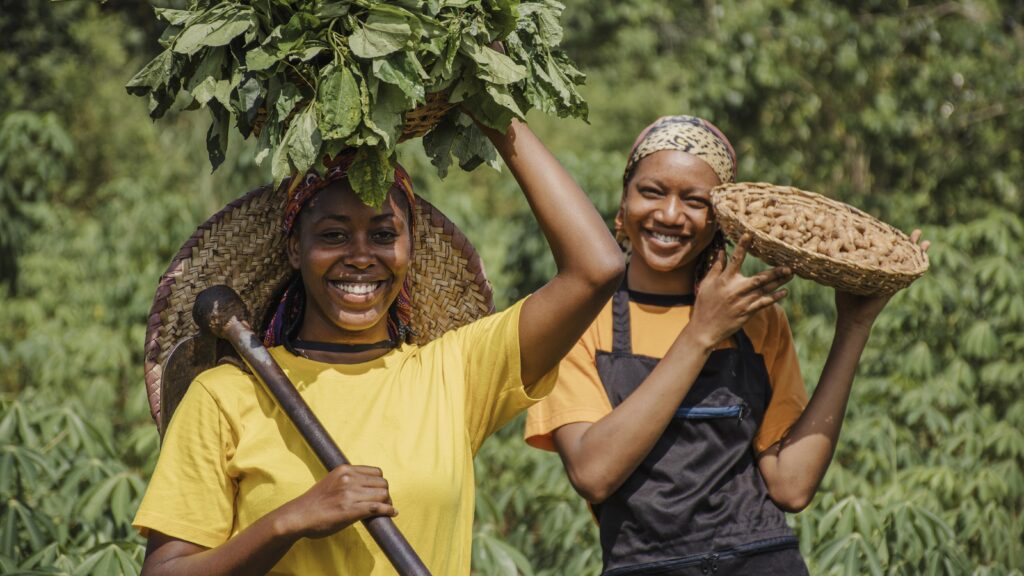
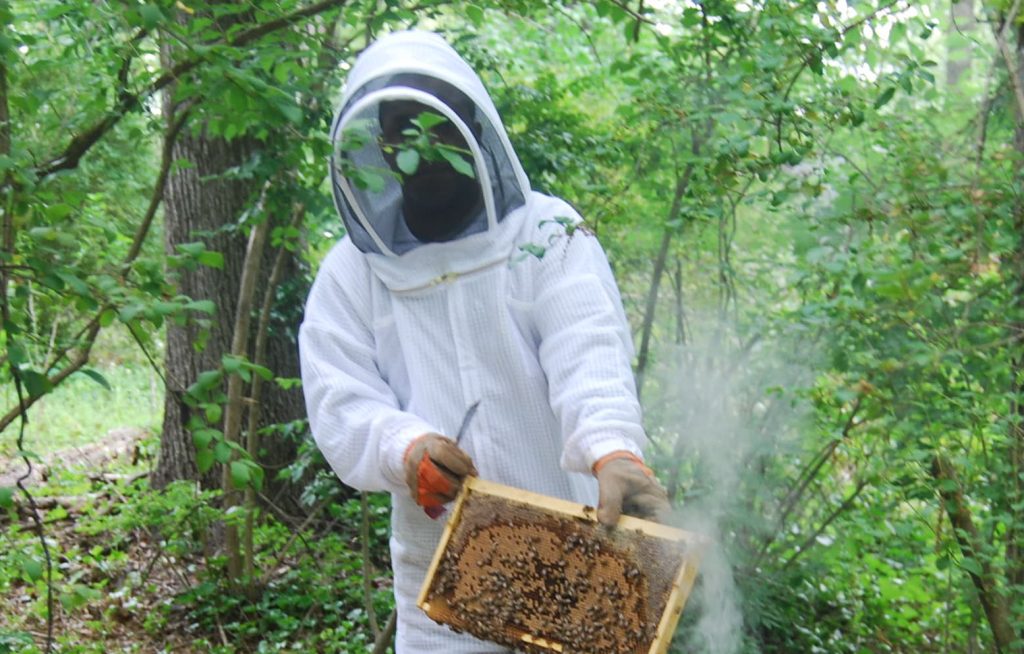
The program included strategic coaching, tailored consultations, and capacity-building sessions. F-SMEs received hands-on support in business strategy development, branding, packaging, financial management, and digital marketing. These interventions produced tangible results, such as Mukie Organics and Yellow Drop securing 3 million TZS in grant funding to scale production and explore eco-friendly packaging solutions.
Target Impact
The program delivered several impactful outcomes, including market expansion, where F-SMEs broadened their reach through strategic partnerships and promotional activities. For instance, Queen Beez Company partnered with Dorcas Tanzania to train beekeepers, while MAGUCA Company strengthened connections with Maasai Honey and other apiary markets, boosting sales and creating jobs. Gender equality was a central focus, with each F-SME encouraged to integrate inclusive policies. Notable examples include Sha Kyanyi Investment, which increased women’s representation in its workforce by 40%.

On the environmental front, F-SMEs adopted climate-smart practices that benefited both people and the planet. West Kilimanjaro Dairy reduced waste by 30%, Yellow Drop introduced non-electric processing methods, and Fungameza Supplies developed a manual to reduce water consumption by 25%. Finally, the program fostered economic empowerment, helping F-SMEs achieve financial stability, increase brand visibility, and implement environmentally responsible policies. Many businesses secured new partnerships and funding, ensuring their growth beyond the program’s completion.
Our Program in Numbers
15
Women Led Businesses
40%
Increase in women’s representation in the workforce
30%
Waste reduction through sustainable practices.
25%
Reduction in water consumption at through practical environmental strategies
The FEGGE Project has proven to be a powerful catalyst for change, demonstrating that with the right support, women entrepreneurs can be key drivers of inclusive and sustainable economic growth. By empowering women in the horticulture sector, the program has contributed to economic empowerment, gender equality, and environmental sustainability. The success stories of F-SMEs such as Mukie Organics, Yellow Drop, Queen Beez, and MAGUCA Company continue to inspire and empower other women across Tanzania and beyond, showcasing the potential of women to lead the way in climate-smart business practices.